
TL;DR: Angi is worth it for contractors who can call a lead back within about five minutes and who judge the channel by cost per booked job, not cost per lead. Angi leads are shared with several pros, so the first contractor to reach the homeowner wins most of them. Slow responders end up paying for leads that someone else books.
The Short Answer
Is Angi worth it for contractors? It depends less on Angi and more on what happens in the first five minutes after a lead arrives. The lead price is rarely what kills the channel. What kills it is the gap between "new lead" and "first call," because during that gap the same homeowner is hearing from other pros who got the same request.
Contractors who say Angi works for them tend to have the same habits: they answer or call back almost immediately, they follow up more than once, and they know their numbers. Contractors who say it's a waste of money usually describe the same thing in reverse: they saw the lead an hour later, left a voicemail, and never heard back.
What Angi Actually Costs Contractors
Angi doesn't publish a single public price list. What you pay depends on your trade, your market, the job type, and how you set up your account. The ranges below come from contractor reports and industry reviews published in 2026. Treat them as ballpark figures and get your own quote in writing.
| Cost item | Commonly reported range | What to watch |
|---|---|---|
| Price per lead | ~$15–$85 (roofing and large jobs often $100+) | Varies by job type and zip code |
| HVAC leads | ~$35–$90 | Install leads cost more than repair |
| Plumbing leads | ~$20–$85 | Emergency leads go fastest |
| Electrical leads | ~$18–$70 | Small jobs can eat the margin |
| Annual membership | ~$300/year | Charged on top of lead fees |
| Minimum spend / deposit | Varies by market | Ask before signing |
| Contract terms | Often annual | Read the cancellation clause |
For context against other channels, see our breakdown of average cost per lead for home services in 2026. On paper, Angi often looks cheaper per lead than Google. It's not always cheaper per job.
How Angi Leads Work (and Why They're Shared)
When a homeowner submits a request on Angi, it's matched with multiple pros in the area. Angi says a request can go to as many as five. That's the core trade-off: the lead is cheaper than an exclusive one because you're not the only one paying for it.
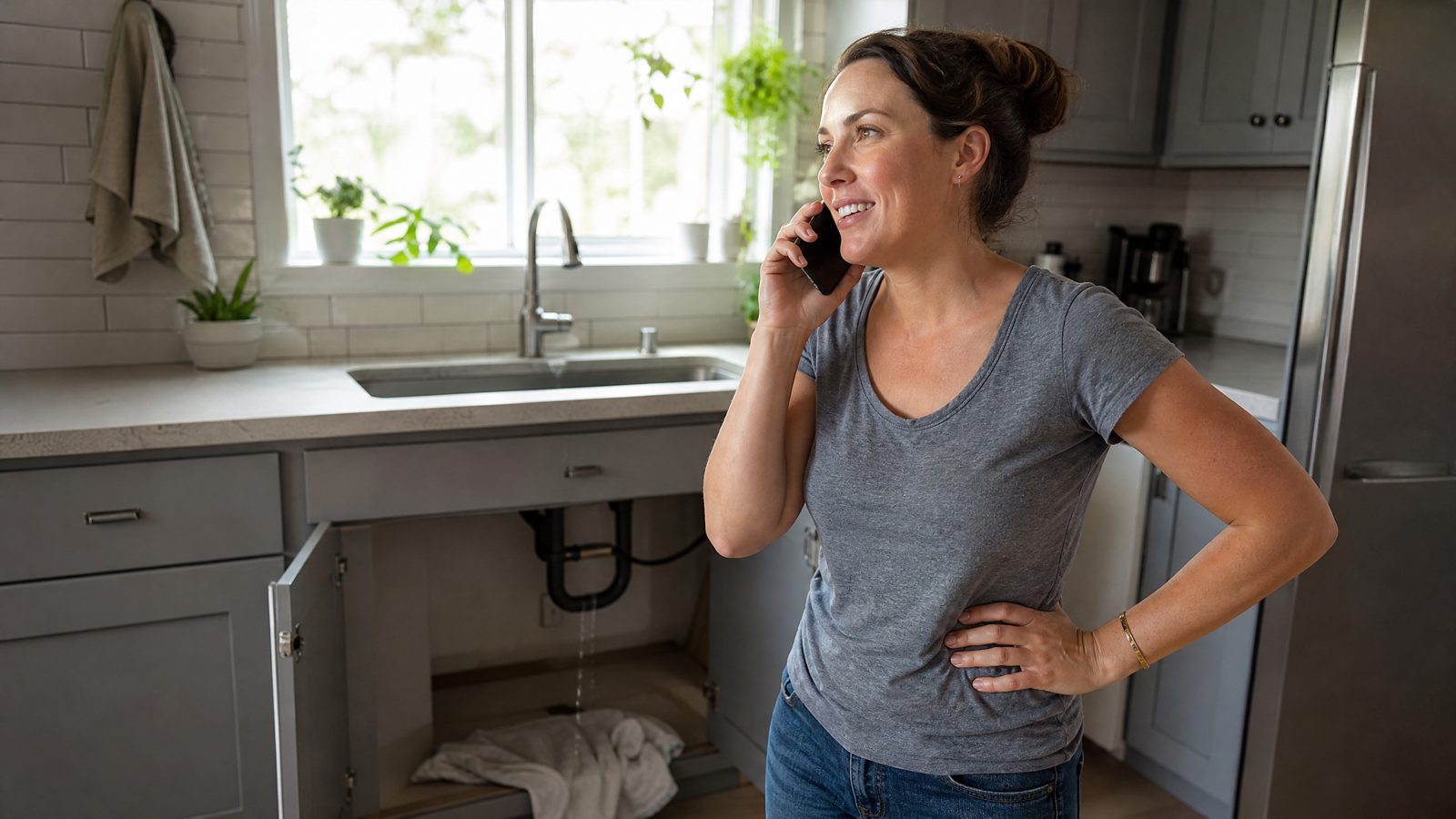
This has a practical consequence most contractors feel right away. A homeowner with a leaking water heater doesn't want five quotes. They want the problem handled. They tend to book with whoever calls first, sounds competent, and offers a time. Pros two through five are often calling someone who already has an appointment.
Lead credits exist for leads that are clearly bad, such as wrong numbers or requests outside your service area. In general they don't cover the most common way contractors lose a lead, which is that the homeowner hired someone else. So slow follow-up isn't something Angi will refund you for.
The Number That Matters: Cost per Booked Job
Cost per lead is the number Angi shows you. Cost per booked job is the number that tells you whether Angi is worth it:
Cost per booked job = (total lead spend + membership and fees) ÷ number of jobs you actually booked from those leads
Here's an illustrative example. A contractor buys 40 Angi leads in a month at $60 each ($2,400) plus a $25/month share of the annual membership. The only thing that changes between the rows is how many leads turn into booked jobs.
| Booking rate | Jobs booked (of 40) | Cost per booked job | Typical situation |
|---|---|---|---|
| 10% | 4 | ~$606 | Calls back hours later, one attempt |
| 20% | 8 | ~$303 | Calls back same hour, some follow-up |
| 30% | 12 | ~$202 | Calls within minutes, multi-touch follow-up |
Same leads, same price, same market. The cost per job drops by two-thirds purely from how fast and how persistently the leads get worked. If your average ticket is $350, the 10% row loses money. The 30% row is a healthy channel. That's why two contractors in the same town can give you opposite answers about whether Angi is worth it.
Why Response Speed Decides Whether Angi Pays Off
The research on lead response time is consistent: the odds of reaching a lead drop sharply within minutes. The widely cited Lead Response Management study found contact rates at five minutes were roughly 100 times higher than at 30 minutes. With a shared lead the effect is even stronger, because you're not just racing the homeowner's attention span. You're racing other contractors.
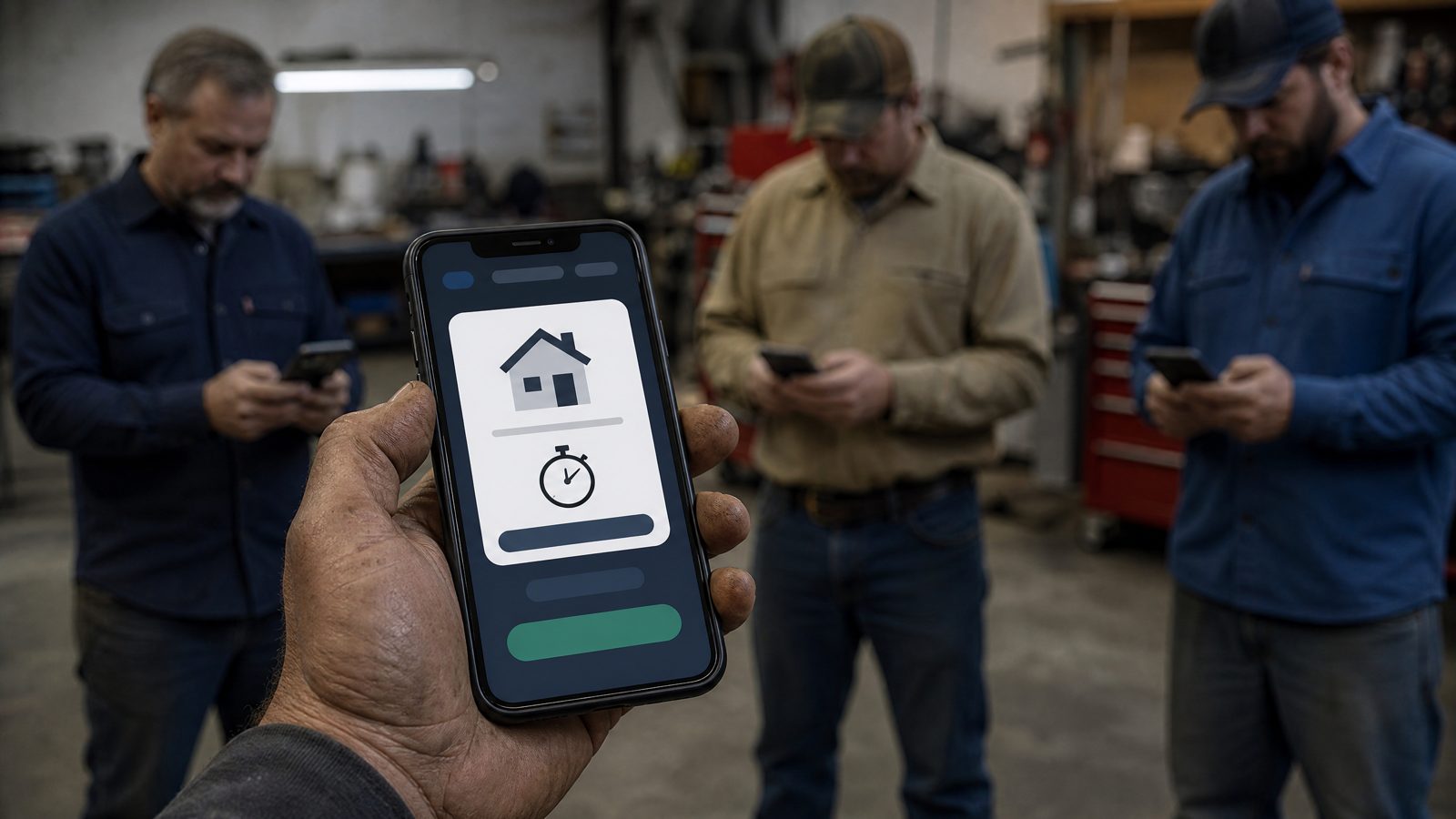
The trouble is that most contractors aren't sitting by the phone. You're on a roof, under a sink, or in a crawlspace when the lead comes in. By the time you check your phone, it's been 45 minutes. We cover what should happen in that first minute in lead response: the first 60 seconds, and why it matters so much in speed to lead for contractors.
When Angi Is Worth It (and When It Isn't)
Angi tends to work when:
- Someone (or something) calls every lead back within five minutes, including evenings and weekends
- You follow up three to five times over a few days instead of one call and one voicemail
- Your average ticket is comfortably above your cost per booked job
- You're newer in a market and need jobs and reviews while your own SEO and referrals build up
- You track every Angi lead through to booked or lost, so you know your real numbers
Angi tends not to work when:
- Leads sit until you finish the current job
- Your jobs are small enough that a few lost leads wipe out the margin
- You're locked into an annual contract you didn't read closely
- You judge the channel by "it feels like nobody answers" instead of cost per booked job
- You're already busy from referrals and repeat customers, so paid leads just add admin
Angi vs Thumbtack vs Google LSA
Most contractors asking whether Angi is worth it are also weighing it against Thumbtack and Google Local Services Ads. Here's how they compare in practice:
| Angi | Thumbtack | Google LSA | |
|---|---|---|---|
| How you pay | Per lead + membership | Per lead | Per lead (calls/messages) |
| Shared with other pros? | Yes | Often | Homeowner usually contacts you directly |
| Lead intent | Medium | Medium | Higher |
| Does speed affect results? | Heavily | Heavily (also affects Top Pro status) | Yes, responsiveness affects ranking |
| Commitment | Often annual | Flexible budget | Flexible budget |
The common thread is that all three reward the contractor who responds first. If you're running Google LSA too, our post on Google Local Services Ads conversion rates covers why paid leads from Google stall out for the same reason. For Thumbtack's pricing model, refund rules, and how leads differ from opportunities, see how much Thumbtack leads cost.
How to Make Angi Leads Pay Off
1. Call within five minutes, every time
This is the single biggest lever. If you can't do it yourself while you're on jobs, assign it to someone in the office or automate it. A lead called back in 3 minutes and a lead called back in 60 minutes are not the same lead.
2. Call, then text
If the homeowner doesn't pick up, send a short text right away with your name, your company, and a simple question ("Is the water heater still leaking, or is it just making noise?"). Many homeowners reply to a text when they won't answer an unknown number.
3. Follow up more than once
One call and one voicemail isn't follow-up. Plan for three to five touches over the next few days. A lot of "dead" Angi leads are just homeowners who got busy. Our guide to an automated lead follow-up system lays out a cadence you can copy.
4. Offer a time on the first call
Don't end the call with "I'll get back to you with availability." Ask two or three qualifying questions, then offer two specific time slots. The goal of the first call is a booked appointment, not a conversation. Our lead qualification guide has the questions.
5. Track cost per booked job monthly
A spreadsheet is enough: lead date, job type, how fast you responded, booked or lost, ticket value. After 60 to 90 days you'll know whether Angi is worth it for your business, which is the only answer that matters.
6. Request credits fast and read the contract
Request credits for clearly bad leads right away and keep notes on your contact attempts. Before signing anything, ask about contract length, minimum spend, and what cancelling early costs.
Where AI Fits In
Step one is the hardest to do consistently when you're the one doing the work. That's the gap an outbound AI voice agent for contractors is built for. When an Angi, Thumbtack, or LSA lead comes in, the agent calls the homeowner back within seconds, asks your qualifying questions, and books the appointment on your calendar. It also handles the text and follow-up attempts if nobody picks up. These are people who requested a quote from you, so you're calling back a warm, consented lead, not cold calling.
To be clear, it won't fix bad leads or a bad contract. What it fixes is the speed problem, which is usually the difference between a 10% and a 30% booking rate in the table above.
You can hear it yourself: call the live demo line at +1 (320) 264-8525, or get a free voice agent built for your business and it will call you back in under a minute.
FAQ
Is Angi worth it for contractors in 2026?
It can be, but only if your cost per booked job comes in under what a job is worth to you. Angi leads are shared with several pros, so the contractor who calls back first wins most of them. If you can reliably respond within five minutes and you track cost per job (not cost per lead), Angi can be profitable. If leads sit for an hour while you're on a job, it usually isn't.
How much does Angi cost contractors?
Angi doesn't publish one fixed price list. Contractors and industry reviews commonly report roughly $15 to $85 per lead (higher for roofing and big-ticket jobs), an annual membership fee of around $300, and in some markets a minimum monthly spend or upfront lead-credit deposit. Get your exact numbers in writing from your Angi rep before you sign.
How many contractors get the same Angi lead?
Angi says a request can be matched with up to five pros depending on the job type and location. Some contractors report seeing the same homeowner contacted by more pros than that. Either way, you're competing with other businesses for the same lead, which is why response speed matters so much.
Can I get a refund on a bad Angi lead?
Sometimes. Angi offers lead credits for clearly bad leads such as wrong numbers or out-of-area requests, but credits generally don't cover a homeowner who hired someone else or never called back. Request credits quickly and keep notes showing when you attempted contact.
Is Angi better than Thumbtack or Google Local Services Ads?
There's no universal winner. Google Local Services Ads leads usually show stronger intent because the homeowner contacted you directly from Google, but they cost more. Angi and Thumbtack are often cheaper per lead but shared. Run each channel for 60 to 90 days, then compare cost per booked job, not cost per lead.
How do I win more Angi leads?
Call within five minutes, text right after if they don't answer, follow up at least three to five times over the next few days, and make it easy to book a time on the first call. Most lost Angi leads aren't lost on price. They're lost because another contractor reached the homeowner first.
Paying for Angi leads that someone else books? See how fast an AI callback reaches your next lead →